Cathedrals, Bazaars, and Software Innovation
Description
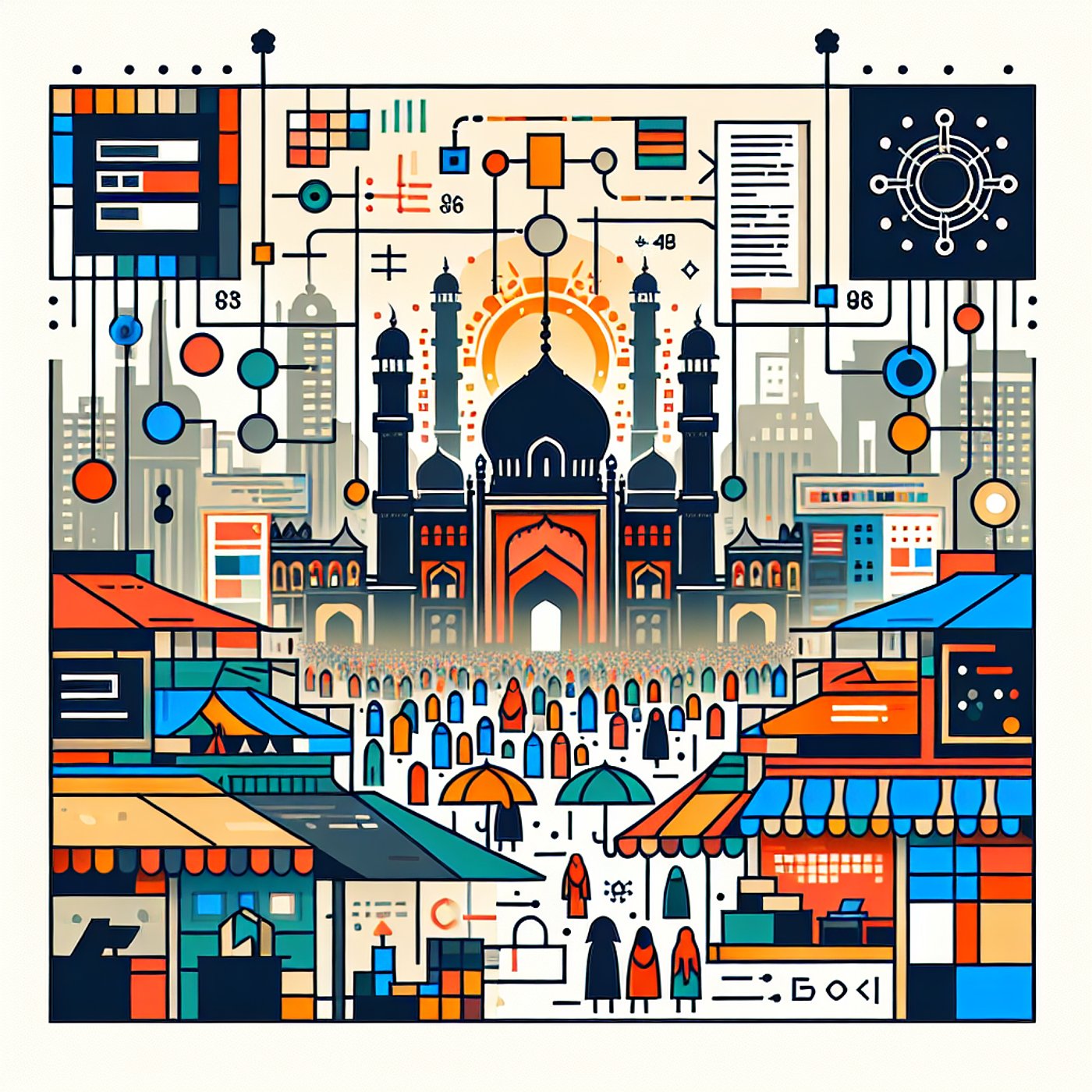
In this episode, we explore the evolution of software development through the lens of Eric S. Raymond's Cathedral and Bazaar models, alongside the intriguing concept of the Winchester Mystery House. Our expert breaks down how the Cathedral model represents traditional, closed development, while the Bazaar model showcases the vibrant, community-driven spirit of open-source software. We also delve into the idiosyncratic and innovative 'Winchester Model,' emphasizing how modern developers create with freedom and creativity, often without strict guidelines. Discover how the accessibility of coding tools has transformed the landscape and what this means for the future of software development.
Show Notes
## Key Takeaways
1. The Cathedral model represents closed, meticulous software development.
2. The Bazaar model highlights open, collaborative community-driven projects.
3. The Winchester Mystery House symbolizes a chaotic yet creative approach to software building.
4. Modern coding has become more accessible, allowing rapid development and experimentation.
## Topics Discussed
- Cathedral and Bazaar models of software development
- Open-source movement and its impact
- The Winchester Model in modern software development
- Accessibility of coding tools in the tech world
Topics
Transcript
Host
Welcome to today's episode! We're diving into the fascinating world of software development and how it's been transformed over the years. We'll explore the concepts of the Cathedral and the Bazaar, and we'll even throw in a twist with the Winchester Mystery House. Let's get started!
Expert
Thanks for having me! It's exciting to discuss this topic, especially because the evolution of software development models reflects broader changes in technology and society.
Host
Absolutely! So, first off, can you explain what Eric S. Raymond meant by the Cathedral and the Bazaar models?
Expert
Sure! In his 1998 paper, Raymond contrasts two approaches to software development. The Cathedral model is where software is developed in a closed environment, managed by a small team. Think of it like building a cathedral—meticulously designed and constructed by skilled artisans.
Host
And then there's the Bazaar model?
Expert
Right! The Bazaar model is much more open and community-driven. It's like a bustling market where many people contribute ideas and code. This model became possible with the advent of the internet, which allows collaborative work and feedback from contributors worldwide.
Host
I love that analogy! It makes it clear how different these two models are. Now, how did these ideas shape the open-source movement?
Expert
Raymond's ideas propelled open-source innovation. As he famously said, 'Given enough eyeballs, all bugs are shallow.' This means that the more people there are looking at the code, the easier it is to catch and fix issues. This collaborative spirit has led to countless successful open-source projects.
Host
That makes total sense! Now, you mentioned a third model inspired by the Winchester Mystery House. How does that fit into this discussion?
Expert
The Winchester Mystery House represents a more chaotic, yet creative, approach to building software. Just as Sarah Winchester built her house with passion and little formal training, many modern developers are creating software without strict guidelines or limitations.
Host
Interesting! So, what are some characteristics of this 'Winchester Model'?
Expert
It embodies idiosyncratic and sprawling software development. Developers are experimenting, following their passions, and often throwing together projects that may seem incomplete or chaotic but can be incredibly innovative. The key here is that, in today's world, coding has become much cheaper and more accessible.
Host
Right! And that brings us to the concept of code being cheap. Can you elaborate on that?
Expert
Definitely! With tools and resources available to anyone, developers can churn out thousands of lines of code quickly. For example, a recent study showed that one developer, Claude Code, averaged about 1,000 lines of code per commit—a staggering amount compared to traditional benchmarks.
Host
That's incredible! So, what does this mean for the future of software development?
Expert
It suggests we're entering an era where creativity can thrive without the constraints of traditional development models. As more people can easily contribute code, we might see an explosion of innovative software solutions that we can't even imagine yet!
Host
What an exciting time to be in tech! Thank you for sharing these insights with us today.
Expert
My pleasure! It's been a great discussion.
Host
And thanks to our listeners for tuning in! Until next time, keep exploring the fascinating world of tech.
Create Your Own Podcast Library
Sign up to save articles and build your personalized podcast feed. Your first 3 episodes are free.