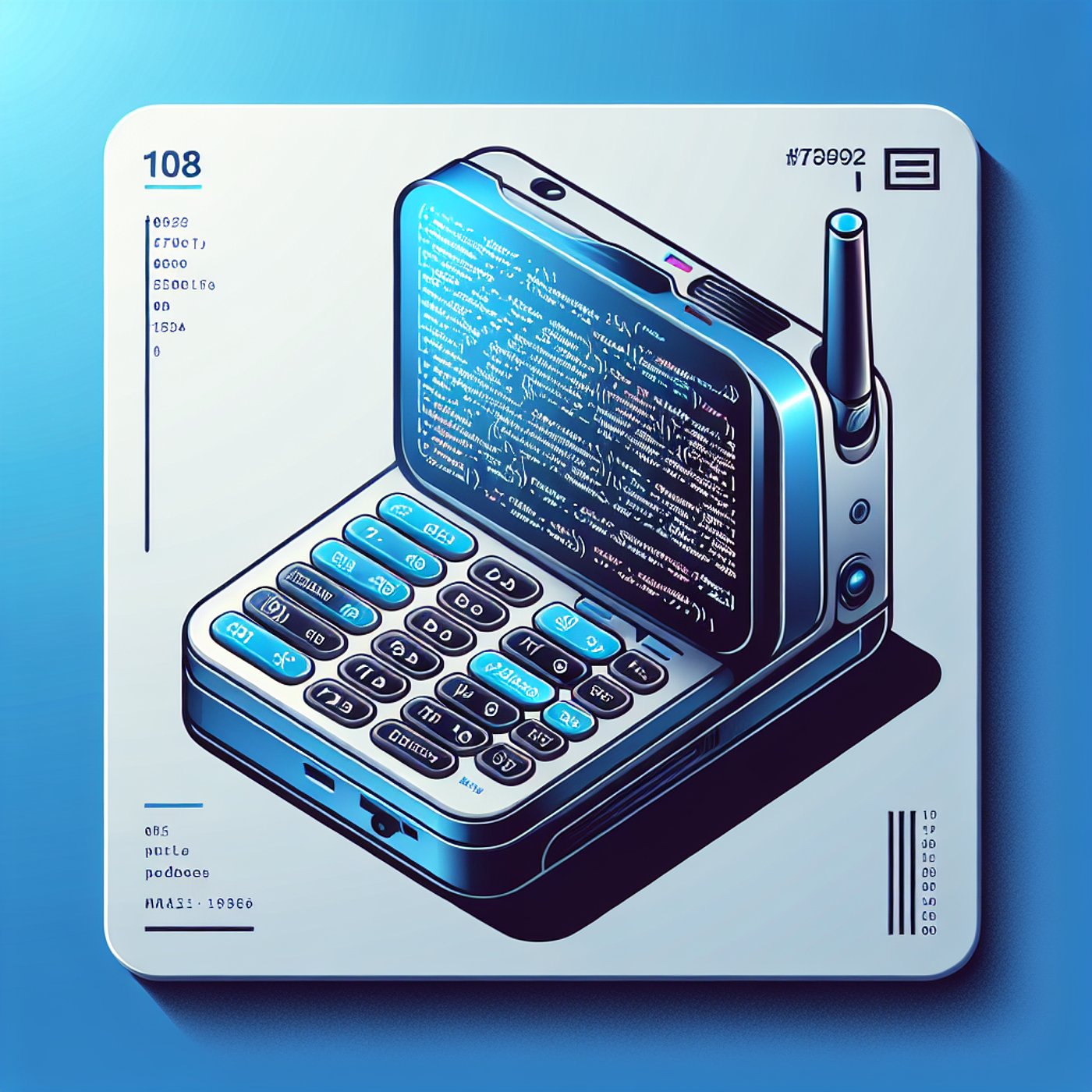
Unlocking T9 Typing: The Power of libt9 Library
Description
In this episode of Tech Talk Today, host Jamie dives into the innovative world of T9 typing systems with expert Dr. Alex. Discover how T9 revolutionized mobile texting by predicting words based on key combinations, making it easier for users. Dr. Alex explains the mechanics behind T9 and introduces libt9, a lightweight C library that empowers developers to create T9 interfaces for their applications. Learn about the library's unique features, how to get started with it, and how the open-source community can contribute. If you're curious about the intersection of software development and user-friendly typing systems, this episode is a must-listen!
Show Notes
## Key Takeaways
1. T9 typing systems revolutionized mobile texting by predicting words based on key presses.
2. LibT9 is a lightweight C library designed for easy implementation of T9 typing systems.
3. The library requires minimal dependencies, making it accessible for developers.
4. Community contributions are essential for the growth of open-source projects like libt9.
## Topics Discussed
- Overview of T9 typing systems
- How T9 predicts text
- Introduction to libt9 library
- Getting started with libt9
- Importance of open-source contributions
Topics
Transcript
Host
Welcome to Tech Talk Today! I'm your host, Jamie, and today we’re diving into the world of typing systems with a special focus on T9. Ever wondered how your old mobile phones predicted your next word? Well, we have an expert in the field of programming languages and libraries, Dr. Alex, here to help us unravel the magic behind this technology.
Expert
Thanks for having me, Jamie! T9 typing systems are fascinating. They were a game changer for mobile phone texting back in the day. T9 stands for 'Text on 9 keys' and is designed to make typing quicker and easier.
Host
That’s interesting! Can you explain how T9 actually works?
Expert
Absolutely! T9 uses a dictionary-based approach. When you press a key on your phone, it corresponds to multiple letters. For example, pressing '2' could mean A, B, or C. T9 predicts the word you’re trying to type based on the combination of keys you press.
Host
So it’s kind of like having a personal assistant for typing?
Expert
Exactly! Imagine trying to type 'hello'. You would press 4 for 'h', 3 for 'e', 5 for 'l', and so on. T9 compares your input against a built-in dictionary to suggest the most likely word.
Host
That sounds incredibly useful! I know we’re talking about a library called libt9. Can you tell us what that is and how it fits into the bigger picture?
Expert
Sure! LibT9 is a C library designed for developers who want to implement T9 typing systems in their applications. It allows you to create your own T9 interface easily, whether that’s for a mobile app or a web application.
Host
What makes libt9 stand out among other libraries?
Expert
One key feature is that it requires very few dependencies. You really only need a basic implementation of the C standard library to get started. This makes it lightweight and easy to integrate.
Host
And how can someone get started with it?
Expert
Great question! You can clone the repository from GitHub, and it provides clear instructions. For instance, if you want to run it as a command-line utility, you’ll need to install 'ncurses' and use CMake to build your project.
Host
So, if someone is interested in contributing to libt9, what can they do?
Expert
They can check out the repository, see what’s already been worked on, and even add their own features or fixes. Open-source projects thrive on community contributions!
Host
That sounds like a fantastic opportunity for developers out there. Any last thoughts on T9 or libt9?
Expert
Just remember, the technology might be old, but the principles are still very relevant today in various predictive text applications. Embracing libraries like libt9 can open up new doors for innovation.
Host
Thank you so much, Dr. Alex, for shedding light on this fascinating topic! And a big shoutout to our listeners—if you're interested in T9 typing systems, be sure to check out libt9 on GitHub!
Create Your Own Podcast Library
Sign up to save articles and build your personalized podcast feed. Your first 3 episodes are free.