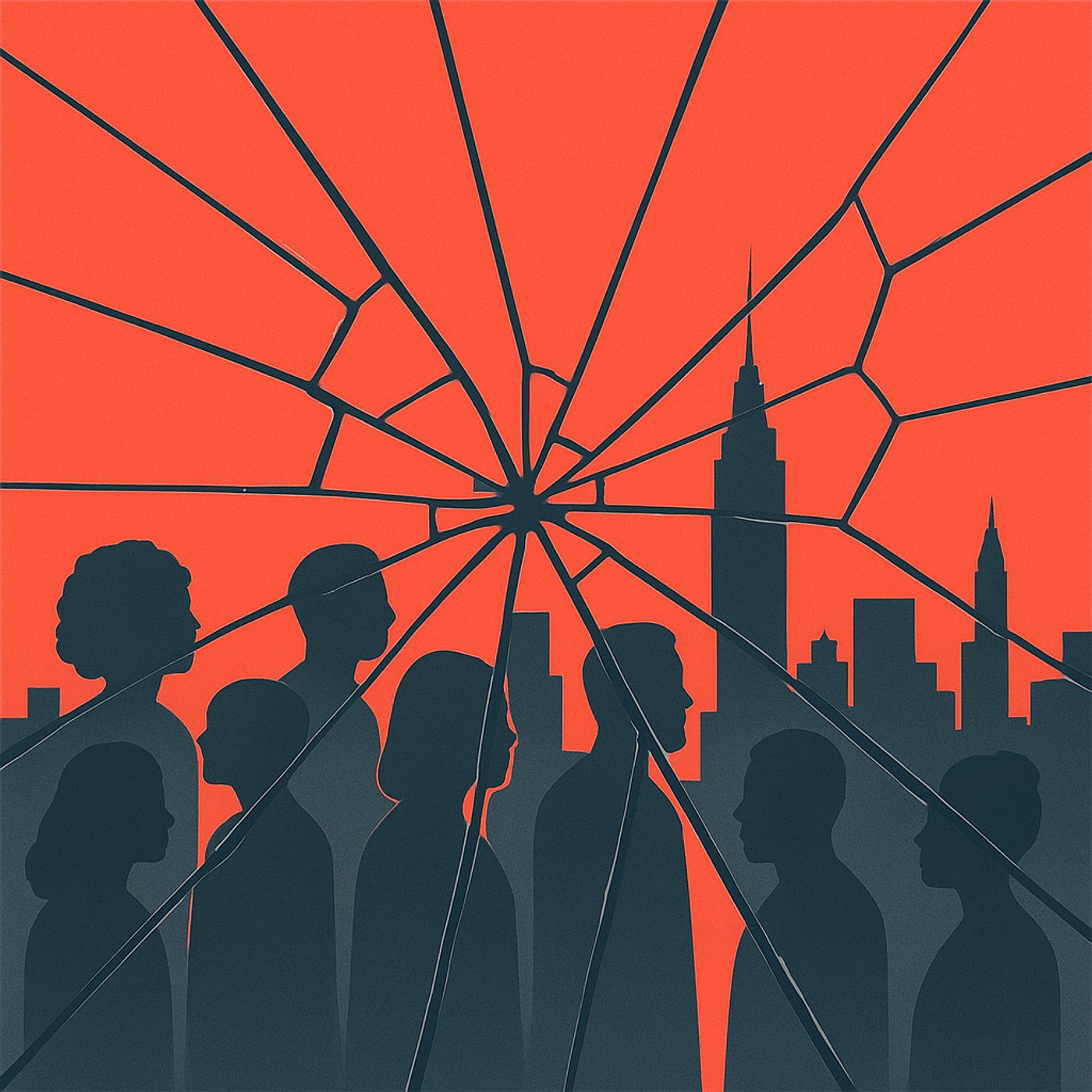
Manhattan Stabbings: Language, Hate, and Tensions
Description
In this episode, we delve into the troubling stabbings in Manhattan that have sparked outrage and concern within the Jewish community. The attacks, labeled as hate crimes, involve inflammatory rhetoric from Mayor Zohran Mamdani regarding Israel, which has exacerbated tensions in New York City. Our expert breaks down the impact of language used by public figures, the social responsibilities of leaders, and the urgent calls for accountability in the wake of violence. With rising anti-Semitism and community relations at stake, we discuss the necessary steps to promote understanding and prevent further conflict. Join us for this vital conversation in today's politically charged landscape.
Show Notes
## Key Takeaways
1. Recent stabbings in Manhattan highlight rising anti-Semitism.
2. Mayor Mamdani's controversial statements have inflamed tensions.
3. The importance of responsible language in political discourse.
4. Community leaders are calling for accountability from public figures.
## Topics Discussed
- Recent hate crimes in New York City
- The impact of political rhetoric on community relations
- Calls for sensitivity and responsibility in public discourse
Topics
Transcript
Host
Welcome to today's episode, where we're diving into a complex topic that has stirred quite a bit of conversation: the recent stabbings in Manhattan and the fallout from Mayor Zohran Mamdani's comments regarding Israel.
Expert
Thanks for having me! It's a sensitive and significant issue, particularly given the context of rising anti-Semitic incidents.
Host
Absolutely. Can you give our listeners some background on what happened?
Expert
Sure! Recently, two men were stabbed in Manhattan, one of whom was an observant Jew. The assailant shouted 'Allahu Akbar' during the attacks, which the NYPD has classified as a hate crime. This incident has reignited discussions about the rhetoric used by public figures.
Host
Right. And this follows Mayor Mamdani's controversial statements about Israel and Prime Minister Netanyahu, correct?
Expert
Exactly. Just a few days before the stabbings, Mamdani released a video calling Netanyahu a 'war criminal' and labeled Israel's military actions as 'genocide.' This has led many in the Jewish community to feel that the mayor's language is inflammatory.
Host
That’s pretty heavy. Why do you think language like this can have such dire consequences?
Expert
Well, words can influence people's emotions and actions profoundly. For example, when leaders use extreme terms like 'monsters' to describe a group, it can create a sense of fear and alienation among those who identify with that group. It’s like throwing gasoline on a fire.
Host
That's a powerful analogy. So, what are the repercussions of such language in a diverse city like New York?
Expert
In a place as diverse as New York, rhetoric that targets specific communities can lead to increased tensions and violence. When communities feel threatened, it can result in real-world consequences, as we've seen with the recent stabbings.
Host
And what are some calls to action from the community and officials in response to these events?
Expert
Elected officials and community leaders, including Eric Goldstein from UJA-Federation of New York, are urging politicians to be more mindful of their words, especially when discussing political issues that affect vulnerable communities.
Host
So, it sounds like there's a real push for accountability and a change in how leaders communicate.
Expert
Precisely. There’s a growing consensus that responsible language is crucial in fostering social cohesion and preventing further violence.
Host
Thank you for breaking this down for us. It’s a difficult topic, but one that’s incredibly important to understand.
Expert
Thank you for having me! It's essential to keep these conversations going.
Host
And to our listeners, thank you for tuning in. Stay safe and informed, and we'll catch you next time!
Create Your Own Podcast Library
Sign up to save articles and build your personalized podcast feed. Your first 3 episodes are free.